 中文
中文 English
 한국어
한국어 français
 Deutsch
 Español
 italiano
 русский
 português
 العربية
 Polska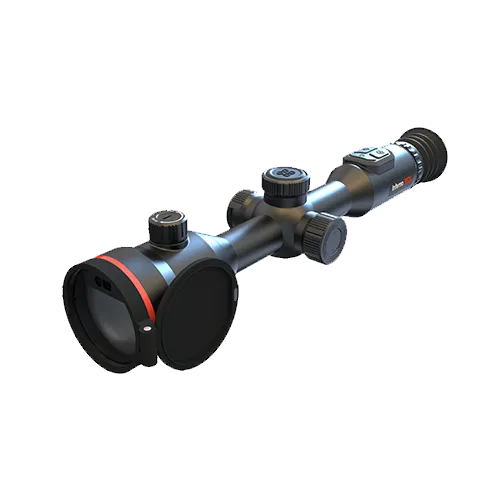
We use cookies to offer you a better browsing experience, analyze site traffic and personalize content. Part of
the tracking is necessary to ensure SEO effectiveness,
By using this site, you agree to our use of cookies.
Visit our cookie policy to learn more.


Thermal Devices vs Traditional Night Vision: Which One Is Right for You?
Table of Content
[Hide]
Straining to see in the dark, missing critical details, and wasting money on the wrong gear? The choice between thermal and night vision shapes every outdoor success.
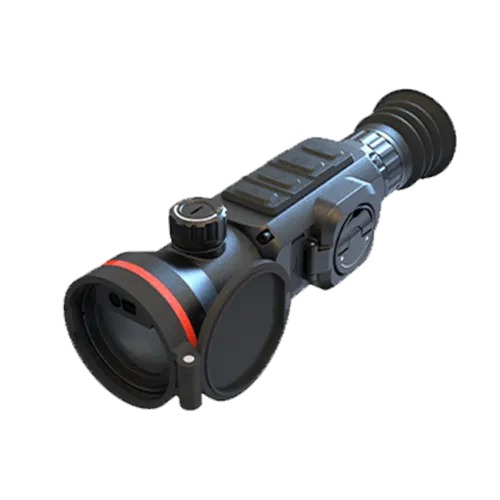
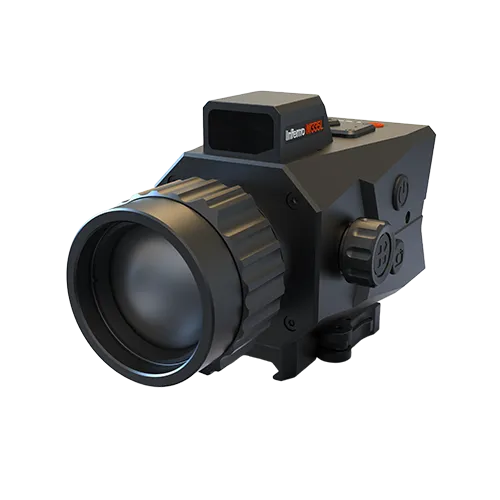
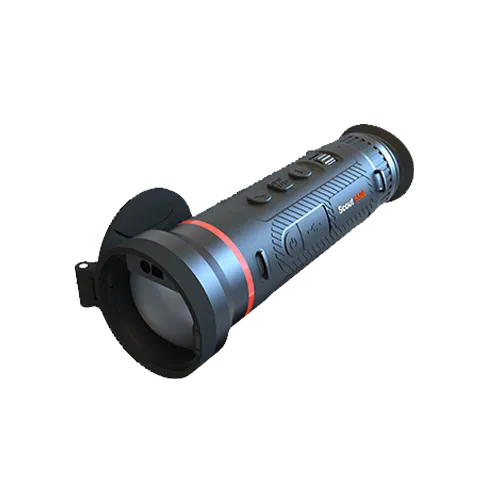
Thermal devices, available as handheld monoculars and weapon-mounted scopes, detect heat signatures through darkness and cover, ideal for detection and targeting. Traditional night vision amplifies light for detailed identification, perfect when some ambient light exists. The right choice depends on specific tasks, conditions, and budget.
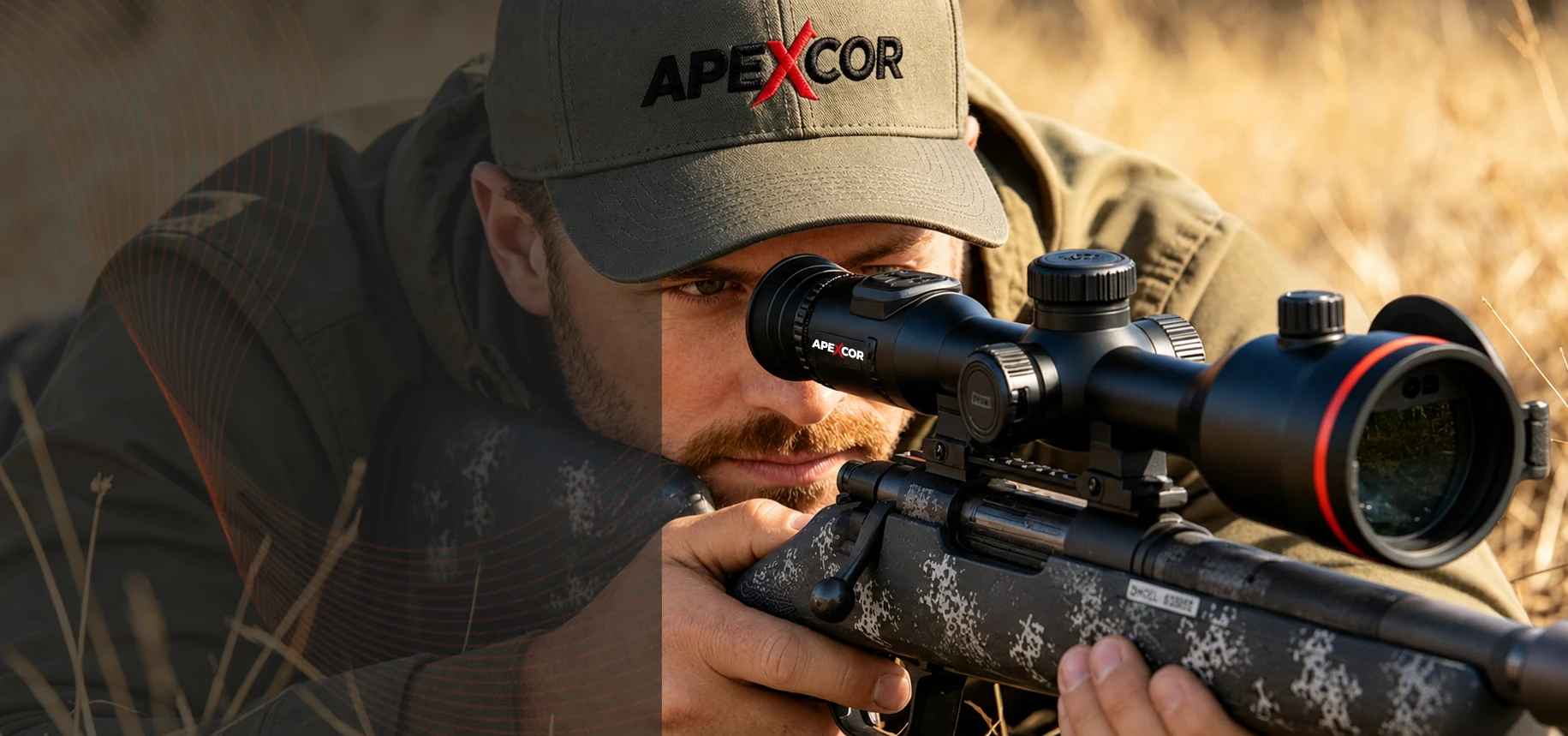
Understanding the core technologies is essential before investing. Thermal imaging comes in two primary forms: monoculars for scanning and scopes for weapon-mounted targeting. Both share the same core heat‑detection technology and outperform traditional light‑based night vision in adverse conditions and total darkness. The following sections break down each device type, compare them directly, and guide outdoor selection.
What Are Thermal Monoculars and Thermal Scopes?
Confused by claims of detecting heat in pitch black? Thermal devices do not amplify light; they read infrared energy to create a clear image, solving the zero-light problem.
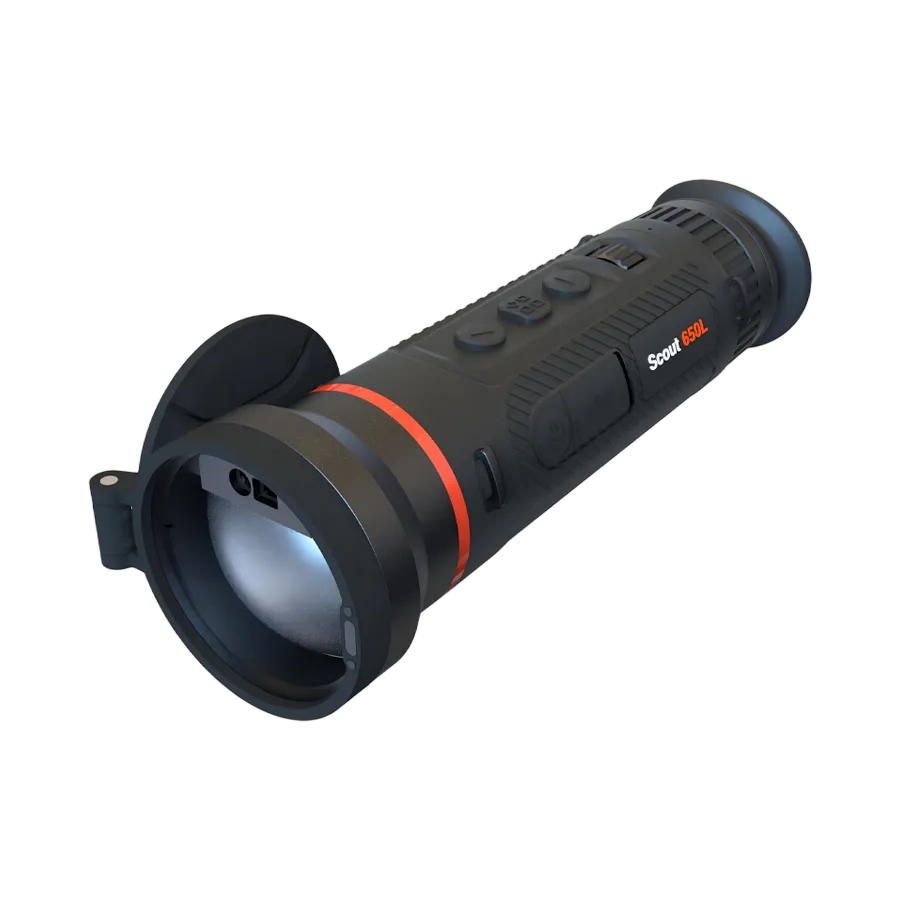
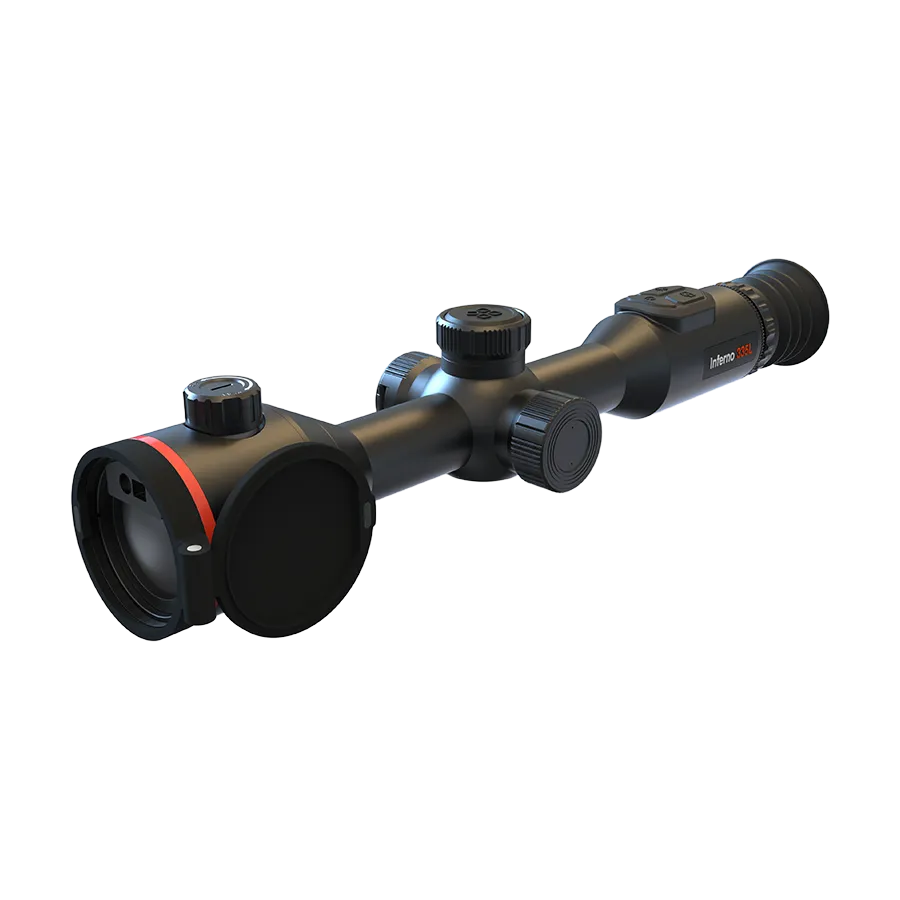
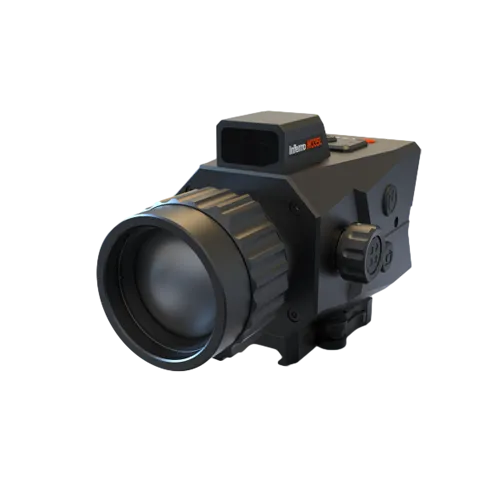
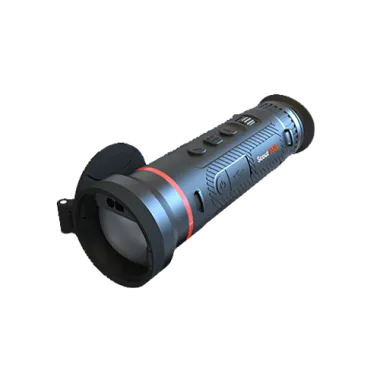
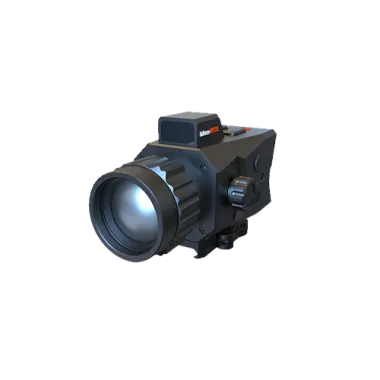
A thermal monocular is a handheld device that detects long-wave infrared radiation. A thermal scope is a weapon‑mounted version of the same technology, built for aiming and engagement. Both convert temperature differences into a visible thermogram on an OLED screen without any light source.
Both thermal monoculars and scopes use a sulfur lens to focus infrared energy onto a microbolometer sensor array. Each pixel changes resistance with absorbed heat, and readout electronics build a temperature map. Non-uniformity correction periodically recalibrates the sensor for a clean image. The processor renders a live view in selectable color palettes such as white-hot or black-hot. Because all objects above absolute zero emit thermal energy, these devices work in total darkness, fog, smoke, and light vegetation. Thermal scopes share the same sensor and processing but add reticle options, recoil‑rated housings, and weapon interfaces for direct engagement at night. Sensor resolution, thermal sensitivity, and refresh rate determine motion clarity. Higher resolution extends detection range and separates adjacent heat sources, preventing multiple animals from blending into one blob. Thermal sensitivity, expressed as NETD, matters most in low contrast—rain, humidity, or early morning before surfaces warm. Refresh rate keeps moving targets sharp; slower rates cause smearing that hinders tracking. Field of view balances wide-area scanning with detail identification at range.
Core Performance Factors
| Factor | What It Influences |
|---|---|
| Sensor Resolution | Image sharpness and maximum identification distance |
| Thermal Sensitivity | Ability to detect faint heat differences in low-contrast scenes |
| Refresh Rate | Motion clarity when panning or tracking moving subjects |
| Lens Focal Length | Native magnification and field of view |
What Is Traditional Night Vision?
Assuming all night vision works the same leads to disappointment. These devices amplify existing light, and understanding their generations helps avoid poor purchases.
Traditional night vision uses an image intensifier tube to amplify ambient light such as moonlight or starlight. It produces detailed green-hued images but requires some light to function, struggling in true darkness without IR illumination.
Traditional night vision gathers available photons through an objective lens, converts them to electrons via a photocathode, multiplies those electrons across a microchannel plate, and strikes a phosphor screen to produce the green image. Different generations define performance. Gen 1 offers affordable entry but suffers from distortion and shorter range. Gen 2 and Gen 2+ introduce microchannel plates for brighter, clearer images, with improved sensitivity reaching further into near-infrared. Gen 3, using gallium arsenide photocathodes, delivers superior low-light sensitivity and longer tube life, making it the standard for military and law enforcement. Digital night vision uses a CMOS sensor and IR illuminator, still relying on active illumination in extreme darkness. An often overlooked distinction is that night vision preserves natural visual cues—shadows, textures, reflections—that thermal cannot capture, making it superior for navigation where depth perception and obstacle recognition matter. However, heavy cloud cover, dense canopy, or new moon conditions drastically reduce range unless an IR illuminator is activated, which can reveal the observer’s position.
Night Vision Technology Tiers
| Technology Tier | Key Characteristic | Typical Role |
|---|---|---|
| Gen 1 | Basic intensification, affordable entry point | Casual observation, beginners |
| Gen 2/2+ | Microchannel plate, brighter and clearer image | Professional hunting, security |
| Gen 3 | Gallium arsenide photocathode, extreme low-light capability | Military, law enforcement |
| Digital | CMOS sensor, video output, IR illuminator required | Versatile monitoring, recording |
Main Differences Between the Two Devices
Confusing detection with identification causes missed opportunities. Thermal excels at finding heat sources; night vision delivers the clarity needed to see details, creating distinct roles.
Thermal devices detect heat, work in zero light and through obscurants, and excel at detection. Night vision devices amplify light, provide natural identification detail, but fail in total darkness without an IR illuminator. Each serves different operational needs.
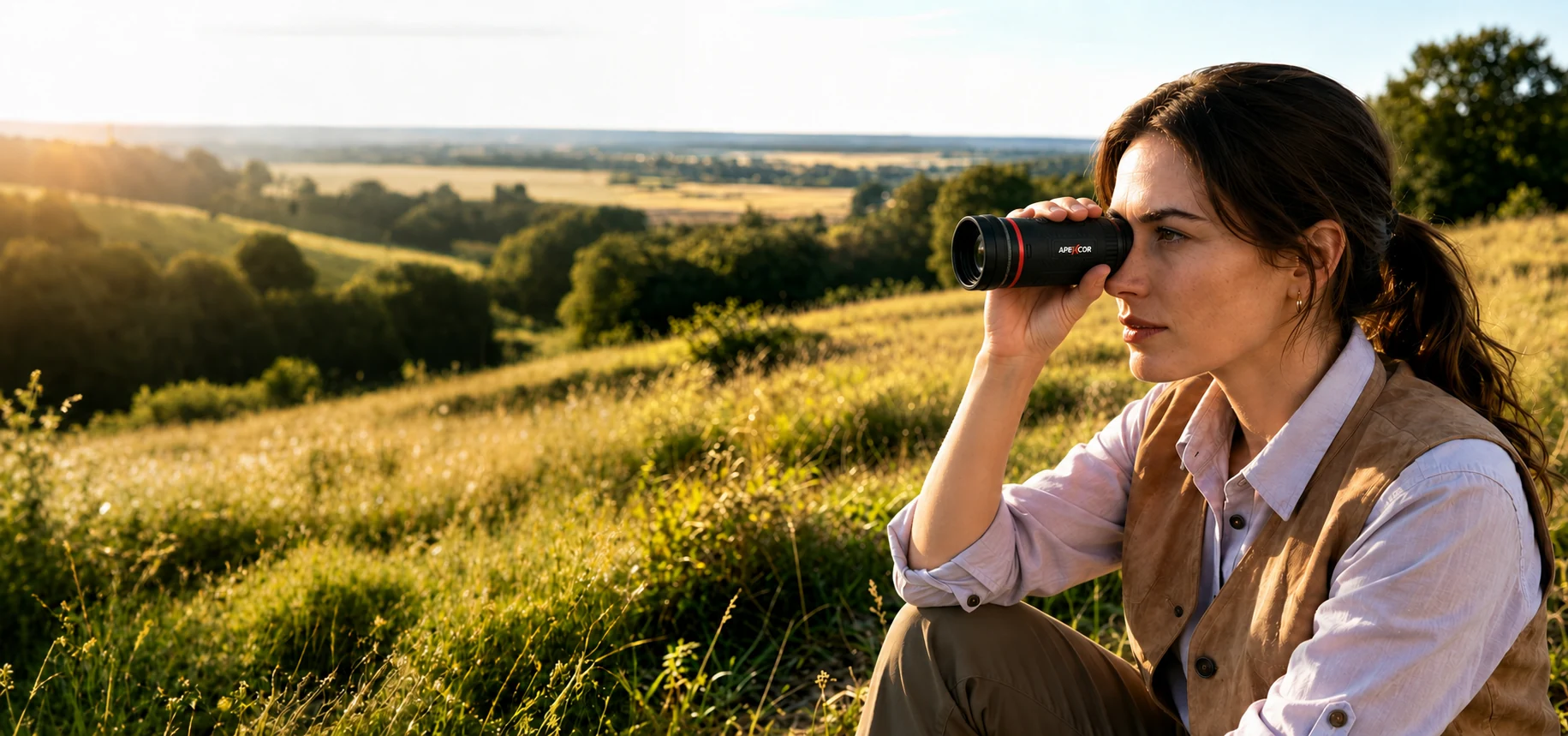
The foundational distinction lies in the electromagnetic spectrum. Thermal operates in long-wave infrared, sensing emitted energy. Night vision intensifies visible and near-infrared light, needing ambient or artificial illumination. This leads to practical trade-offs. Thermal devices are immune to bright light bloom and see through fog, smoke, and foliage where night vision fails. However, thermal images lack texture and facial features, making identification difficult. Night vision, with enough light, allows reading signs and recognizing faces. In total darkness, night vision requires an IR illuminator that reveals the observer, whereas thermal stays completely passive. Reflective surfaces also differ: glass and still water appear as mirrors to thermal, hiding objects behind them; night vision sees through glass normally. Conversely, thermal spots warm engines or bodies through light brush that night vision cannot penetrate. Cost structures differ: entry-level thermal is pricier, but mid-tier pricing overlaps. Weight and battery life also differ—modern thermal units often run longer on USB-rechargeable power, while analog night vision units are lighter and use widely available small batteries.
Which One Should You Choose for Outdoor Use?
Facing shelves of options without clear criteria leads to wasted money. Matching device strengths to real-world outdoor tasks—hunting, security, search and rescue—prevents regret.
For all-weather observation, hunting, and scenarios demanding detection and engagement in any light, thermal devices are the superior choice. A thermal monocular excels at scanning fields and locating hidden game or intruders in total darkness, fog, or smoke. A thermal scope, mounted directly on a rifle, lets the shooter detect, identify, and engage targets with a single device, eliminating the need to switch between separate optics. This streamlined approach reduces weight, complexity, and the risk of losing situational awareness. In hunting, a thermal scope reveals animals blending into brush or standing still against cold backgrounds, without alerting them with IR illumination. For security, a weapon-mounted thermal enables immediate threat assessment through obscurants. Search and rescue teams rely on thermal monoculars to quickly locate persons by body heat, even in dense forest or open water. While night vision offers better detail in adequate light, thermal delivers unmatched 24/7 detection and targeting. If operations demand reliable performance regardless of weather or lighting, a thermal monocular or thermal scope is the most effective investment.
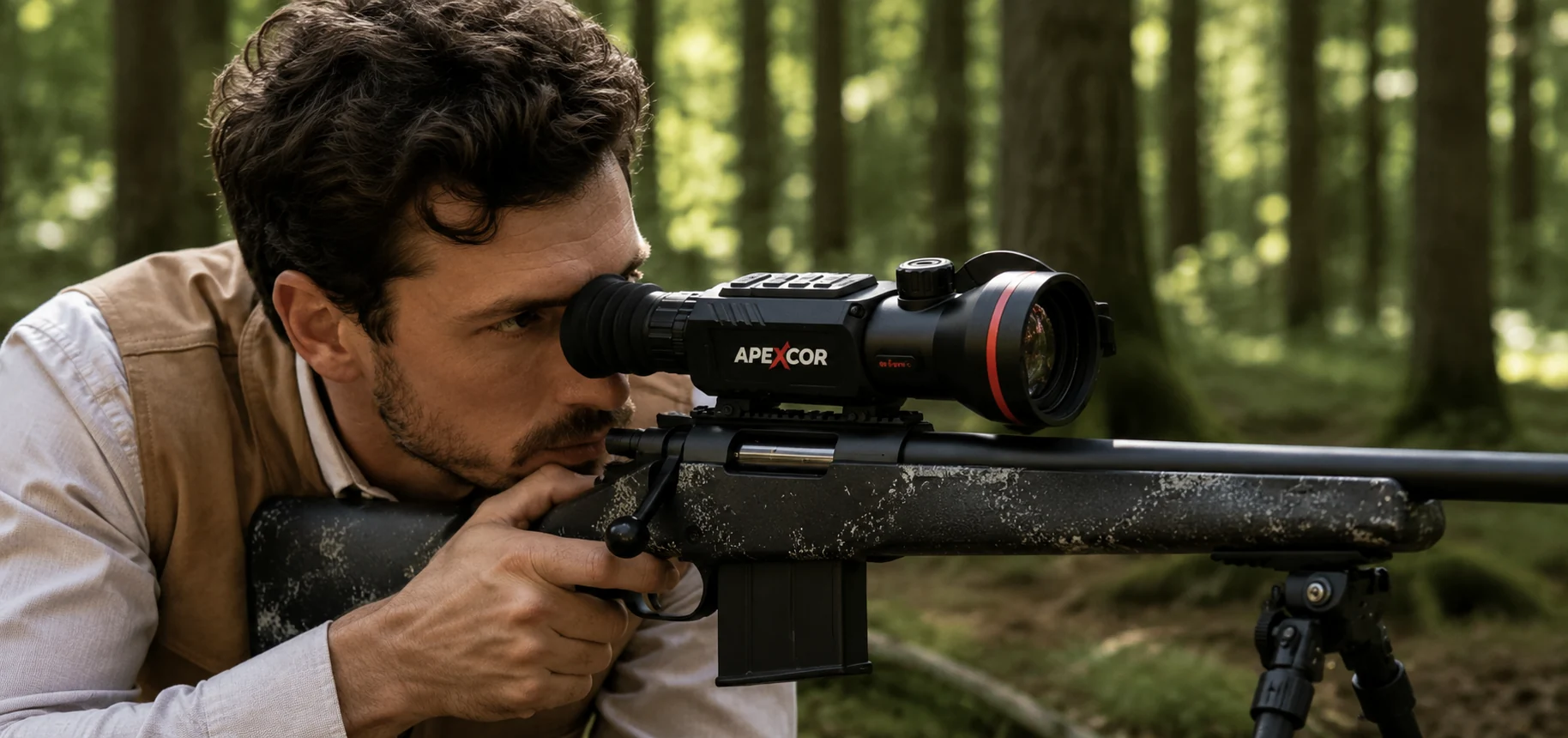
Regional weather patterns should influence the choice—persistent fog or humidity favors thermal, while clear, moonlit nights may let night vision perform adequately. No single device dominates every scenario; understanding the environment and task determines the right investment.
Conclusion
Thermal monoculars and scopes excel at all-weather detection and targeting; traditional night vision provides identification detail when light is available. Selection depends on environment, task, and the need for round-the-clock performance.
References
PREV :
This is the first one.
FOLLOW US:
Follow us on social media and keep in touch.
SUBSCRIBE:
At Vulcan, we specialize in Outdoor Optics.
Latest News About Vulcan