 中文
中文 English
 한국어
한국어 français
 Deutsch
 Español
 italiano
 русский
 português
 العربية
 Polska
We use cookies to offer you a better browsing experience, analyze site traffic and personalize content. Part of
the tracking is necessary to ensure SEO effectiveness,
By using this site, you agree to our use of cookies.
Visit our cookie policy to learn more.


What Should You Know About Thermal Scopes?
Table of Content
[Hide]
Without thermal vision, night hunts become guesswork. Prey vanishes in darkness, and unseen obstacles threaten safety. A thermal scope instantly turns heat into clear images.
Thermal scopes detect infrared heat signatures, enabling clear vision in total darkness. They reveal animals, people, and heat sources invisible to night vision, providing all‑weather detection that regular optics cannot match.
Understanding the technology behind thermal scopes, their distinct advantages, and where they excel helps you decide if a thermal scope fits your needs. Below we explore the fundamentals, practical benefits, and common questions.
What Is a Thermal Scope?
Many confuse thermal scopes with night vision. While night vision amplifies light, thermal scopes detect heat. Without understanding, buyers often invest in the wrong gear.
A thermal scope is an optical device that visualizes infrared radiation (heat) emitted by objects. It displays temperature differences as an image, enabling detection in complete darkness, smoke, and light cover.
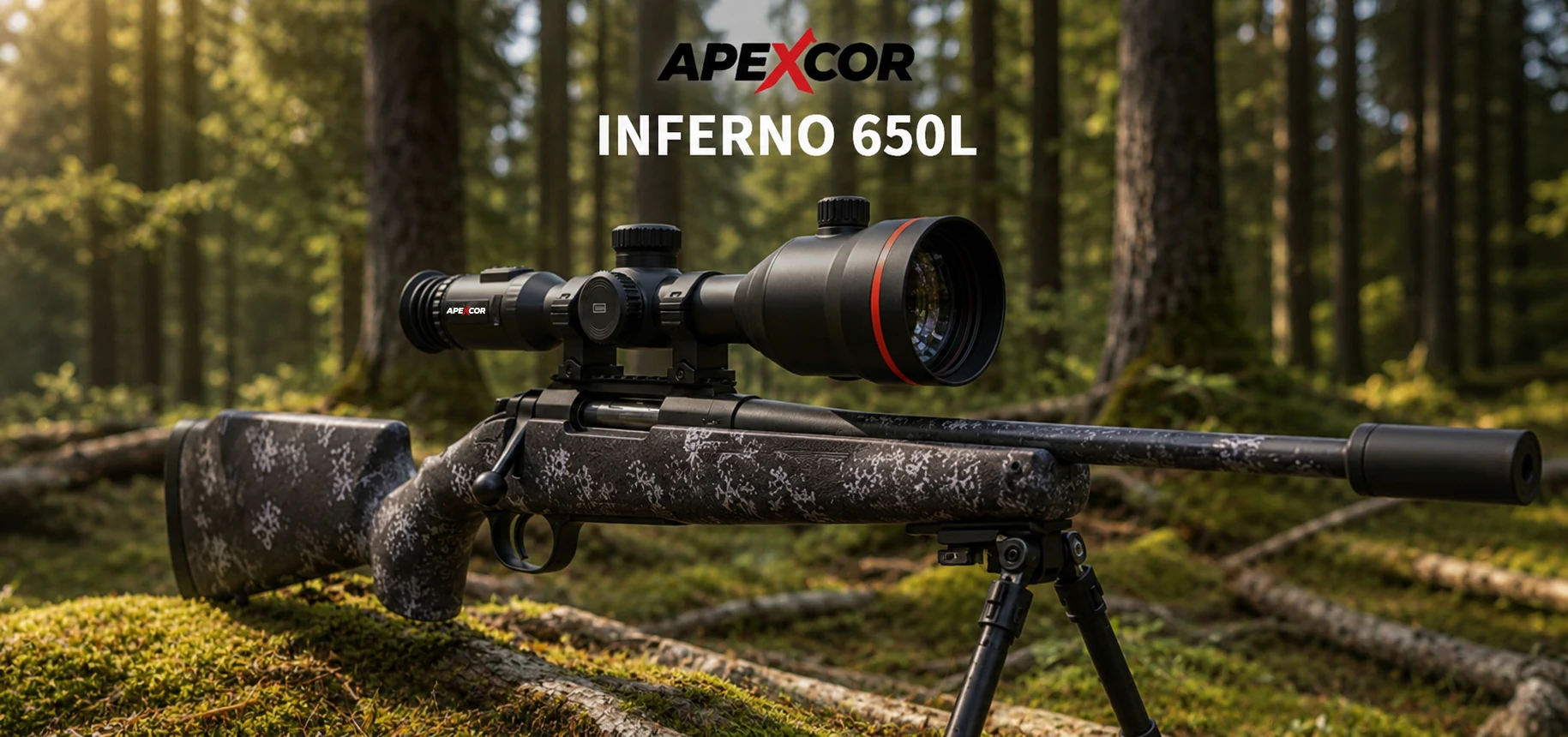
A thermal scope is built around a microbolometer sensor that captures long‑wave infrared energy. Unlike image‑intensifier night vision, it requires no ambient light and can see through obscurants like fog and light brush. The resulting thermogram shows heat distribution, with warmer objects appearing brighter in white‑hot mode or darker in black‑hot mode. These parameters define how well a scope can separate an animal from its background and remain usable in varied environments.
How Do Thermal Scopes Work?
Frustration arises when gadgets fail in pitch‑black conditions. Regular optics need ambient light, but thermal scopes operate independently of light. Understanding their mechanism prevents misuse.
Thermal scopes work by capturing infrared radiation emitted by objects. A microbolometer sensor detects heat differences and converts them into electronic signals, which a processor renders into a real‑time thermal image displayed on a screen.
All matter above absolute zero emits infrared energy. A sulfur lens focuses this radiation onto a focal plane array of microbolometers. Each pixel absorbs heat, causing a change in electrical resistance. Readout electronics scan the array and build a temperature map. A shutter periodically closes for non‑uniformity correction (NUC), ensuring a consistent background. Algorithmic compensation helps maintain contrast across the entire 8–14 µm wavelength band. The final image appears on an OLED or LCD display, often with a reticle overlay. Because thermal energy penetrates fog, smoke, and some foliage better than visible light, a thermal scope reveals heat sources that would otherwise remain hidden, day or night.
Key Advantages of Thermal Scopes
At dusk, prey blends into dark surroundings and vanishes; in fog, locating game becomes nearly impossible. Traditional optics fail when light fades. Thermal scopes erase darkness, giving 24/7 detection power regardless of conditions.
Key advantages include seeing through complete darkness, detecting hidden targets, long‑range performance, immunity to glare, and revealing heat signatures through light cover like brush or fog.
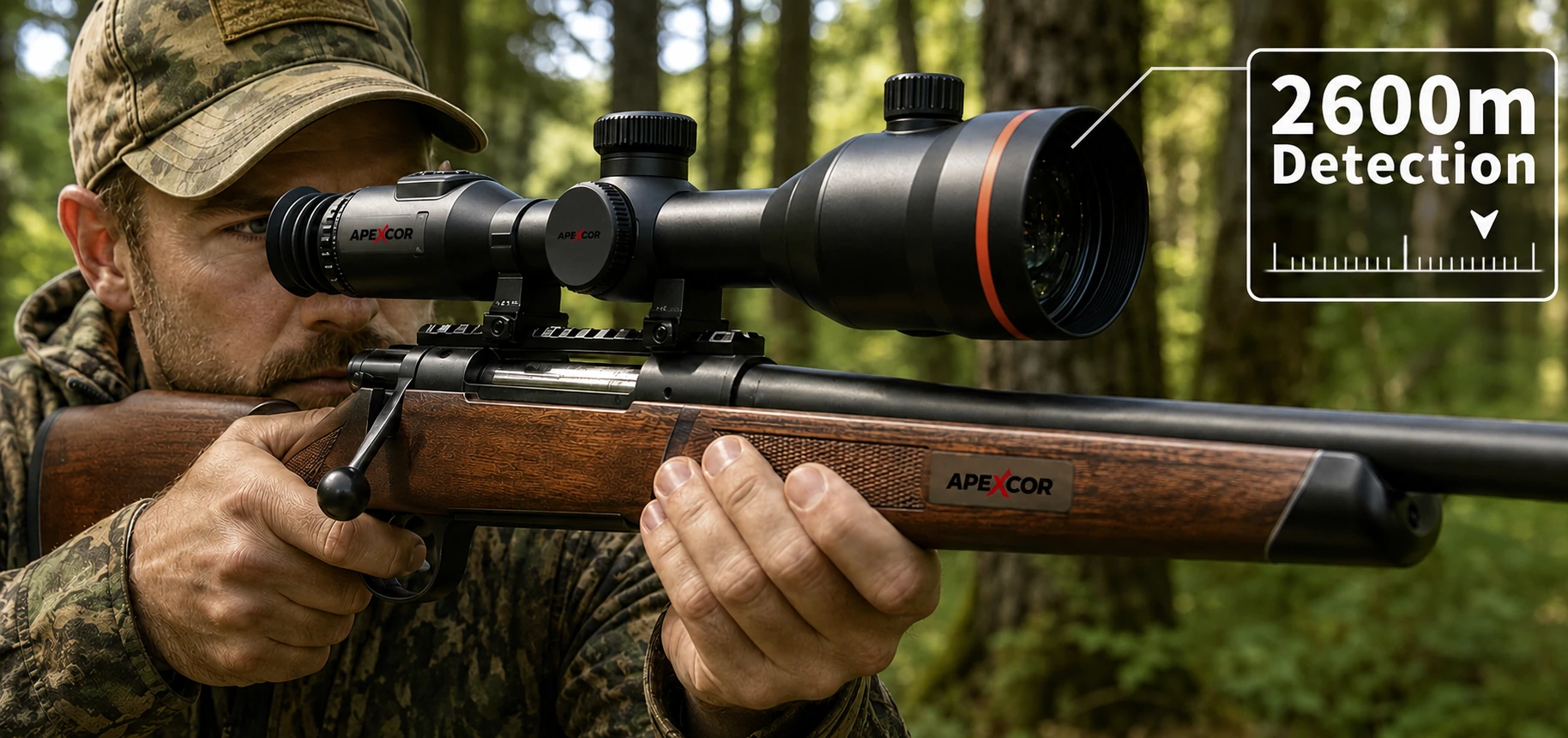
Thermal scopes excel in situations where visual concealment would otherwise succeed. Animals and people emit body heat that stands out against cooler backgrounds, making camouflage ineffective. Adverse weather like smoke, haze, and light rain barely diminishes thermal performance, while visible light and standard night vision are severely hindered. Sudden bright lights do not bloom a thermal image, preserving situational awareness. Detection ranges can extend past 2,000 meters for larger heat sources. Unlike night vision, thermal does not require any IR illumination, remaining completely passive and undetectable. These capabilities make thermal optics indispensable for both professional operators and recreational users who require reliable detection when it matters most.
Popular Applications and Use Cases
Thinking thermal scopes are only for hunters? That narrow view limits their full potential. From rescue missions to perimeter security, these tools deliver unmatched awareness across many fields.
Popular applications include nighttime hunting, law enforcement surveillance, search and rescue operations, wildlife monitoring, and home security. They detect body heat through obstacles and in zero visibility.
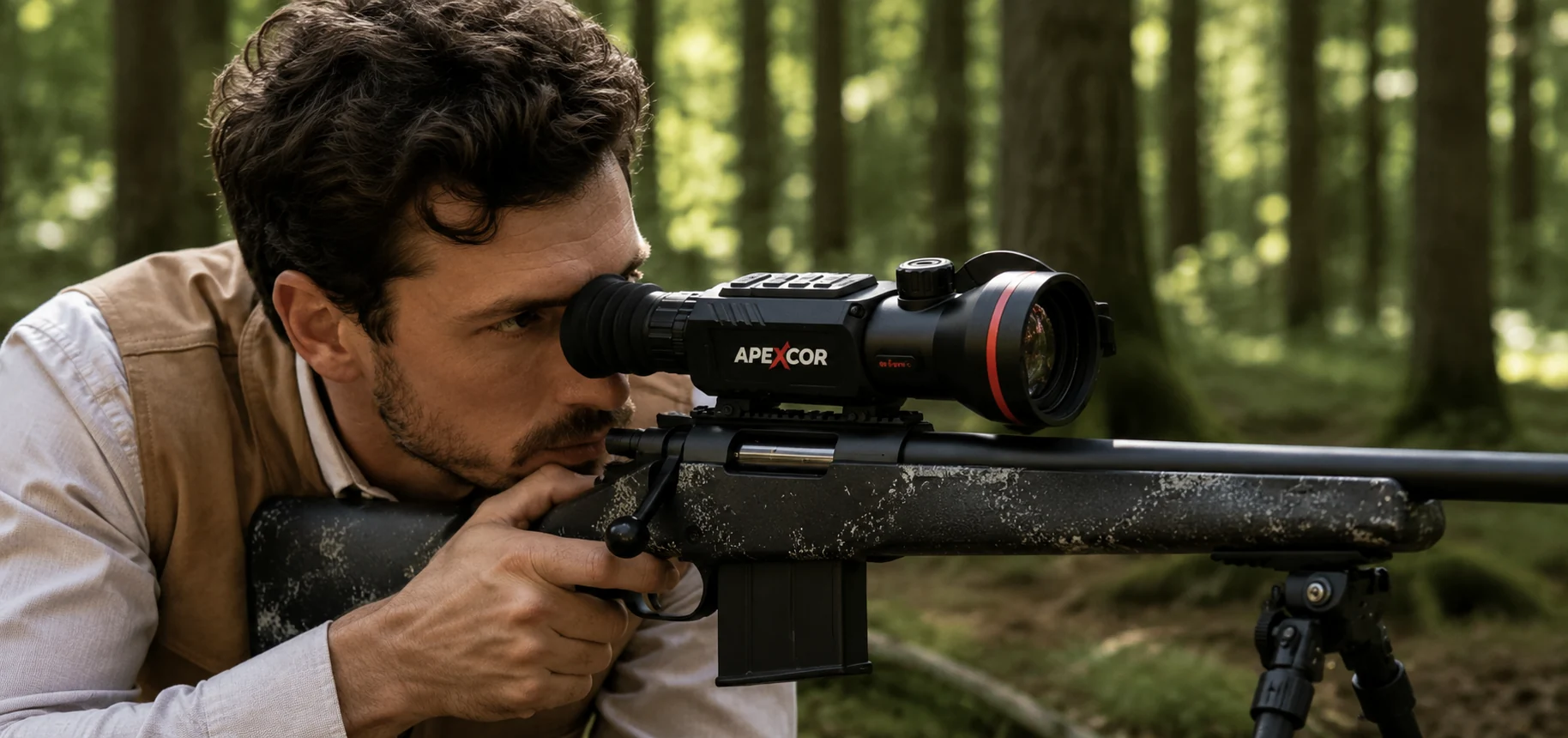
Hunters use thermal scopes to locate game before dawn and after sunset without spooking animals with artificial light. Law enforcement and military units rely on thermal imaging for suspect tracking, evidence gathering, and covert observation. Search and rescue teams locate lost persons in dense forests or open water by body heat, dramatically reducing search time. Wildlife researchers conduct population surveys at night without disturbing habitats. Property owners deploy handheld or weapon‑mounted thermals for perimeter checks, identifying potential threats at a distance. Industrial inspectors also use similar technology to detect overheating components and energy leaks, demonstrating the versatility of thermal imaging across vastly different sectors.
How Many Years Will a Thermal Scope Last?
Worries about longevity plague buyers. Harsh recoil, moisture, and neglect can destroy a thermal scope prematurely. But with solid construction and care, lifespan extends significantly.
A quality thermal scope typically lasts around 10 years with proper use, provided it is not subjected to severe shock or rapid temperature swings. Core components like the sensor and electronics are solid‑state and durable, while the housing and battery may need replacement sooner.
The lifespan of a thermal scope hinges on several factors. Solid‑state microbolometer arrays have no moving parts, but individual pixels can degrade from repeated shock or extreme temperature cycling. Hermetically sealed housings protect internal optics, yet O‑ring seals age and must be replaced to maintain waterproofing. Rechargeable lithium‑ion batteries lose capacity over 300–500 cycles. Therefore, as long as the device is kept away from harsh impacts and extreme temperature fluctuations, routine use will ensure reliable service for roughly a decade. Cleaning the lens regularly and storing the device in a dry environment further help maintain performance over the years.
Is It Worth Getting a Thermal Scope?
Cost‑conscious buyers hesitate, wondering if thermal scopes justify their price. Missing out on night hunting or efficient surveillance can mean lost opportunities. The value becomes clear when considering capabilities.
A thermal scope is worth it for anyone needing reliable detection in complete darkness or obscured conditions. It provides a tactical advantage for hunting, security, and search‑and‑rescue that conventional optics cannot match.
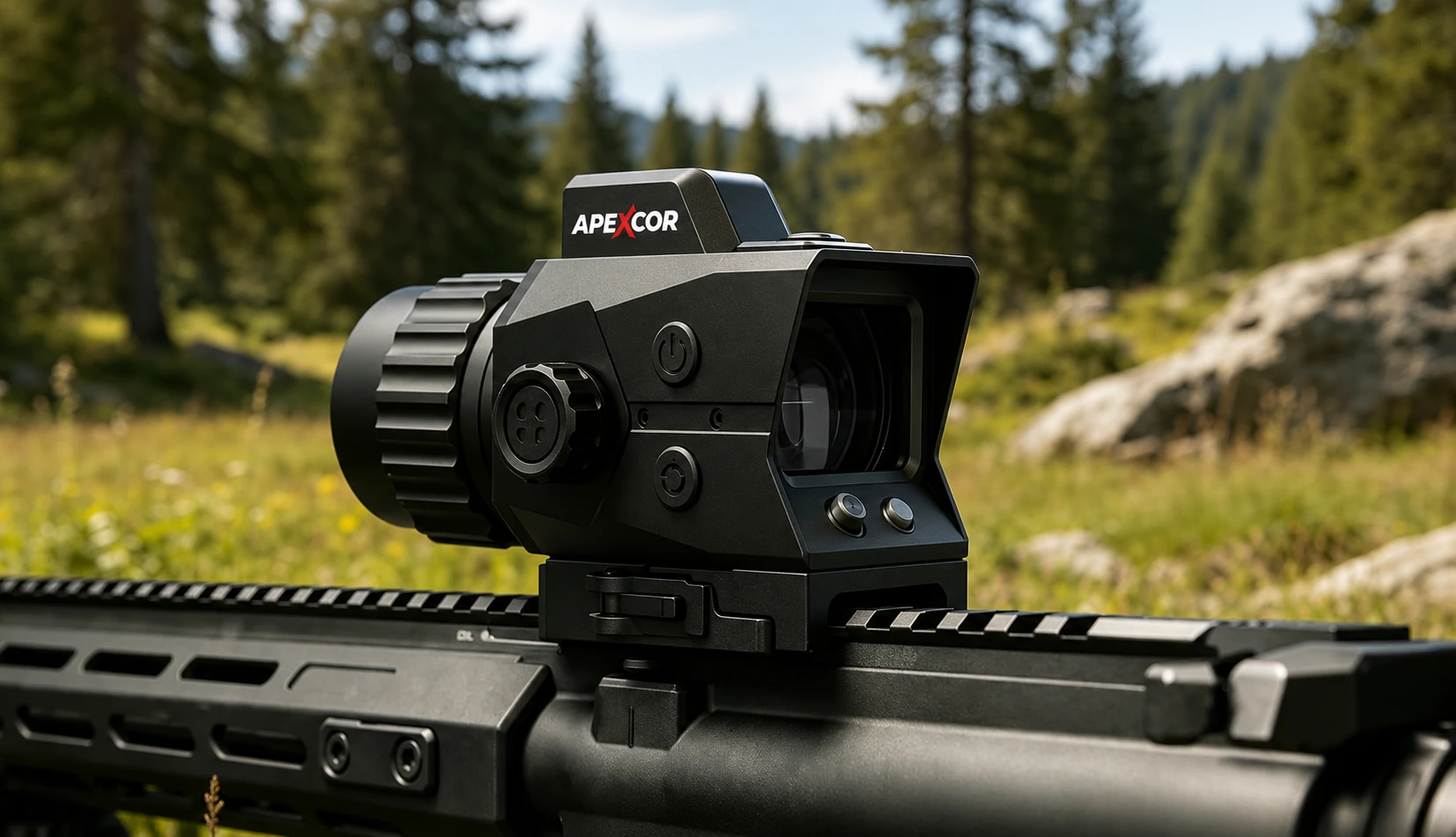
Entry‑level thermal scopes can now be found for under $500, while professional models typically cost around $1,500. The investment pays off by turning night into day – a capability no passive night‑vision device can replicate. Hunters gain the ability to spot game at long ranges without illuminating the environment, reducing spooking. Security personnel detect intruders through vegetation and in zero‑light settings. Search‑and‑rescue teams locate missing persons by body heat alone. Thermal imaging also reveals energy leaks in buildings, adding year‑round utility. When the alternative is a completely missed opportunity or compromised safety, the upfront cost becomes secondary. For those who consistently operate in low‑visibility conditions, a thermal scope transforms capability and often recoups its value through more successful outings and faster, more reliable decision‑making.
Conclusion
Thermal scopes leverage infrared heat detection for superior vision in darkness, delivering a combination of 24/7 detection, all‑weather reliability, and versatility across hunting, security, and rescue. Understanding their technology and applications helps you determine if this tool is right for your needs.
References
NEXT :
This is the last one.
FOLLOW US:
Follow us on social media and keep in touch.
SUBSCRIBE:
At Vulcan, we specialize in Outdoor Optics.
Latest News About Vulcan