 中文
中文 English
 한국어
한국어 français
 Deutsch
 Español
 italiano
 русский
 português
 العربية
 Polska
We use cookies to offer you a better browsing experience, analyze site traffic and personalize content. Part of
the tracking is necessary to ensure SEO effectiveness,
By using this site, you agree to our use of cookies.
Visit our cookie policy to learn more.


Thermal Scope Buying Guide: How to Choose the Right Model
Table of Content
[Hide]
Stuck in darkness, missing every target, and wasting money on gear that fails when needed most? A thermal scope transforms invisible heat into a clear tactical advantage—but only if you pick the right one.
This buying guide walks you through the essential specs, critical decision factors, common mistakes, and future trends to help you select the perfect thermal scope for your specific needs and budget.
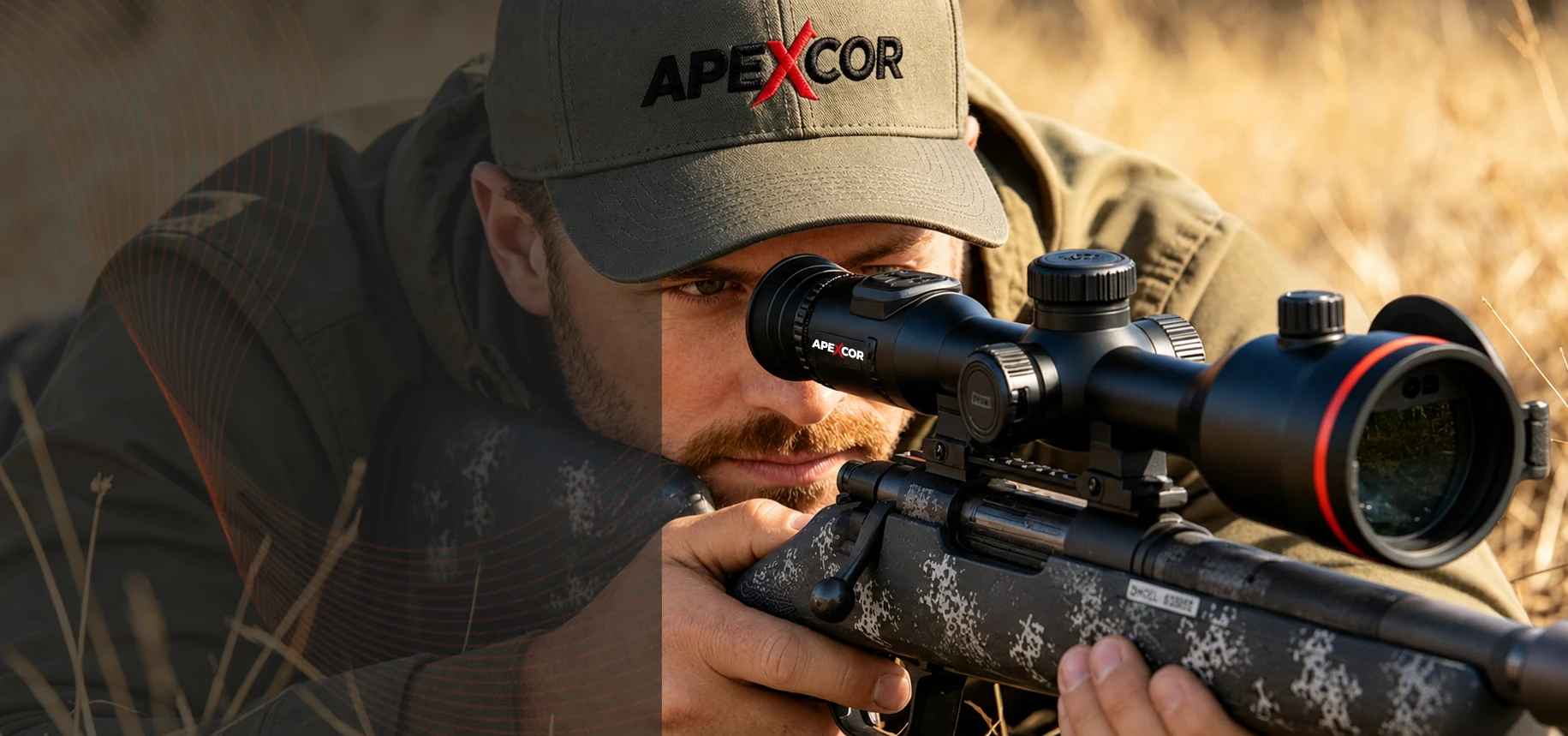
Choosing a thermal scope demands more than comparing detection ranges. The following sections translate technical jargon into practical selection criteria, ensuring you invest wisely.
Understanding Thermal Scope Specifications
Frustrated by confusing spec sheets?
Thermal scopes use microbolometer sensors to detect infrared radiation and convert heat differences into visible images. For a buyer, the key is knowing which specs truly impact field performance.
When comparing models, focus on four numbers that define real‑world capability. Sensor resolution determines how much detail you see at distance: 640×512 is the recommended sweet spot for most users, balancing performance and price , while 384×288 offers solid entry‑level performance. Pixel pitch (8µm, 12µm and 17µm are the main options; 12µm is more common ) affects how sharp the image appears. NETD (Noise Equivalent Temperature Difference) below 20 mK ensures you can see subtle heat differences in low‑contrast scenes like rain or early morning. Refresh rate (25–60 Hz, and 50Hz is more common) keeps moving targets crisp without smearing. Understanding these parameters helps you read a spec sheet like a pro and avoid being misled by exaggerated claims.
Key Specs That Influence Buying Decisions
| Specification | What to Look For |
|---|---|
| Sensor Resolution | 256×192 to 1280×1024 |
| Pixel Pitch | 8µm, 12µm, 17µm |
| NETD | <20 mK |
| Refresh Rate | 25 Hz – 60 Hz |
For the best balance of performance and cost, a 640×512 resolution sensor is the most recommended choice for the majority of hunting and tactical applications.
Key Factors to Consider When Buying a Thermal Scope
Overwhelmed by options?
To choose the right thermal scope, prioritize your primary activity, match magnification to typical engagement distances, verify recoil rating, and plan for battery logistics.
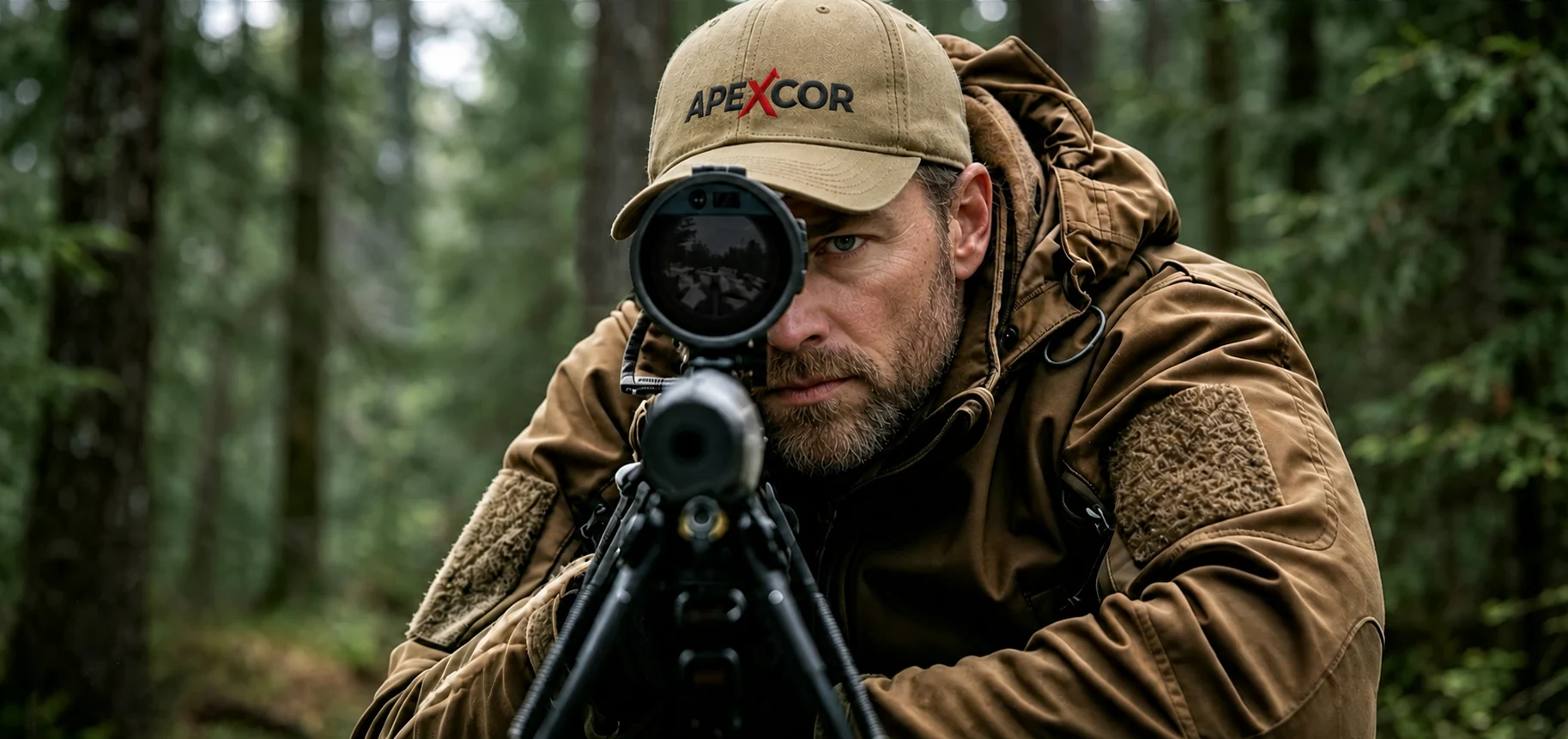
Start by defining your typical hunt or mission. A hog hunter scanning open fields needs higher base magnification and long detection range, while a close‑quarters defender benefits from a wider field of view and rapid target acquisition. Sensor resolution directly affects how far you can positively identify a target. Lens focal length sets native magnification—don’t rely on digital zoom, which degrades clarity. Recoil‑rated construction is non‑negotiable for centerfire rifles; always check the scope is certified for your caliber. Battery type and runtime matter: look for at least 5‑8 hours of continuous use, USB‑C charging, and external power bank compatibility. Finally, assess the user interface, reticle options, and onboard recording capability to ensure the scope fits your workflow.
Thermal Scope Selection Checklist
| Factor to Check | What to Look For |
|---|---|
| Resolution & Pixel Pitch | Minimum 384×288, 12µm pixel pitch for sharp detail |
| Detection vs. Recognition Range | Detection range over 1500m; recognition range over 500m |
| Lens & Magnification | Sulfur lens with appropriate base mag; limit digital zoom |
| Durability & Recoil Rating | IP67 waterproof, shockproof housing rated for ≥1000G/0.4ms |
| Battery & Power | 5–8+ hours runtime, USB‑C, external power bank support |
Avoid Common Buying Mistakes
Many first‑time buyers overspend on extreme detection range while ignoring recognition range, or they assume digital zoom substitutes for optical magnification. Digital zoom degrades image clarity; base magnification must match typical engagement distances. Another pitfall is overlooking battery logistics—a scope that shuts down mid‑operation is worthless. Always verify the unit is recoil‑rated for your specific firearm caliber, as repeated shock can damage uncertified sensors. Check for regular firmware updates and a responsive warranty from a manufacturer with established support channels. Purchasing from such manufacturers saves long‑term frustration and hidden repair costs.
Future Trends in Thermal Scope Technology
Thermal scope innovation continues to accelerate. Sensor resolutions are climbing beyond 640×512 toward 1280×1024 in professional units, shrinking pixel pitch to 8µm for compact long‑range performance. Artificial intelligence integration is emerging, with onboard algorithms that classify detected targets as human, vehicle, or animal, reducing operator fatigue. Wireless connectivity via Bluetooth and Wi‑Fi enables real‑time video streaming to mobile devices and integration with tactical networks. Battery technology improvements promise extended runtimes through higher‑density lithium cells and efficient power management. Augmented reality overlays may combine thermal imaging with ballistic calculators and GPS data, projecting holdover points and environmental data directly into the sight picture. However, buyers should balance future‑proofing with current needs; a proven 640×512 unit with solid firmware support often represents better value than an unproven next‑generation prototype. Investing in a platform that supports regular firmware updates ensures the device evolves alongside advancing technology, while a strong manufacturer warranty protects against early adoption risks.
Conclusion
Choosing a thermal scope boils down to matching specs to your specific hunting or tactical needs. Focus on resolution, magnification, durability, and power logistics to make a confident, future‑proof investment.
References
FOLLOW US:
Follow us on social media and keep in touch.
SUBSCRIBE:
At Vulcan, we specialize in Outdoor Optics.
Latest News About Vulcan